- Acrónimo: 3DFLUI
- Gestor: Assistente graduado, Adelcides Rodrigues
- Financiador: Camões - Instituto da Cooperação e da Língua
- Parceiro: Camões - Instituto da Cooperação e da Língua
- Montante: ECV 5.000.000
- Datas: 01/05/2018 a 02/05/2021
- ID: 01032020/UGii
Prasentation
The Rector is the highest organ of government, direction and external representation of the Uni-CV.
1. It is the Rector's responsibility
- To preside over the university acts and the meetings of the collegial bodies of the Uni-CV, except as provided in the present Statutes and Regulations;
- Constitute commissions and preside over those whose meetings he attends;
- To keep the Superintendency and the University Council informed about the life, problems, and development of the University
- To direct and supervise the University and, in particular, to ensure the coordinated action of the organs, organic units and services in the performance of their competences and attributions
- To ensure the University's cooperation with similar and partner institutions at national and international levels;
- To approve regulations in development of normative acts approved by the University Council or that establish rules with a short duration;
- Conferring the university degrees and signing the respective diplomas, under the terms of the regulations;
- To authorize the hiring of teaching, research, technical, and administrative staff and to appoint them, under the legal and regulatory terms;
- Admitting and excluding students, under the terms of the regulations;
- To exercise disciplinary power over the University staff, under the terms of the law and regulations;
- Promote the preparation of provisional management instruments and accountability documents, and monitor the implementation of the former;
- Appointing the Presidents of Faculties and Schools, following their election or not, under the terms and conditions to be defined by specific regulation;
- Appointing the other members of the Colleges and Schools Boards of Directors upon the proposal of the respective Presidents;
- Authorize expenses, without prejudice to the competence of the Governing Board;
- Assume all powers delegated to it by the superintendence governmental entity; and
- Whatever else may result from the law, the Statutes and Regulations of the Uni-CV.
2. The Rector is also responsible for all competencies that, by law or under the terms of the present Statutes, are not attributed to other bodies of the Uni-CV.
3. The Rector may delegate to the Vice-Rectors, the Pro-rectors and the General Administrator any competencies that may be necessary for efficient and effective management.
4. Whenever he considers it convenient for the good management of the University, the Rector may also delegate part of his competencies to the Director Councils of the organic units or to other persons invested in management positions, and the delegated entities shall render accounts of the activities performed to the Rector under the conditions defined in the delegation instrument.
5. For the purposes of the provisions of paragraph d) of number 1, the Rector shall meet with the other organs, organic units and services of the Uni-CV whenever he considers it necessary to ensure the normal functioning of the institution.
6. The Rector is exempt from performing teaching duties.
Rectoy Team
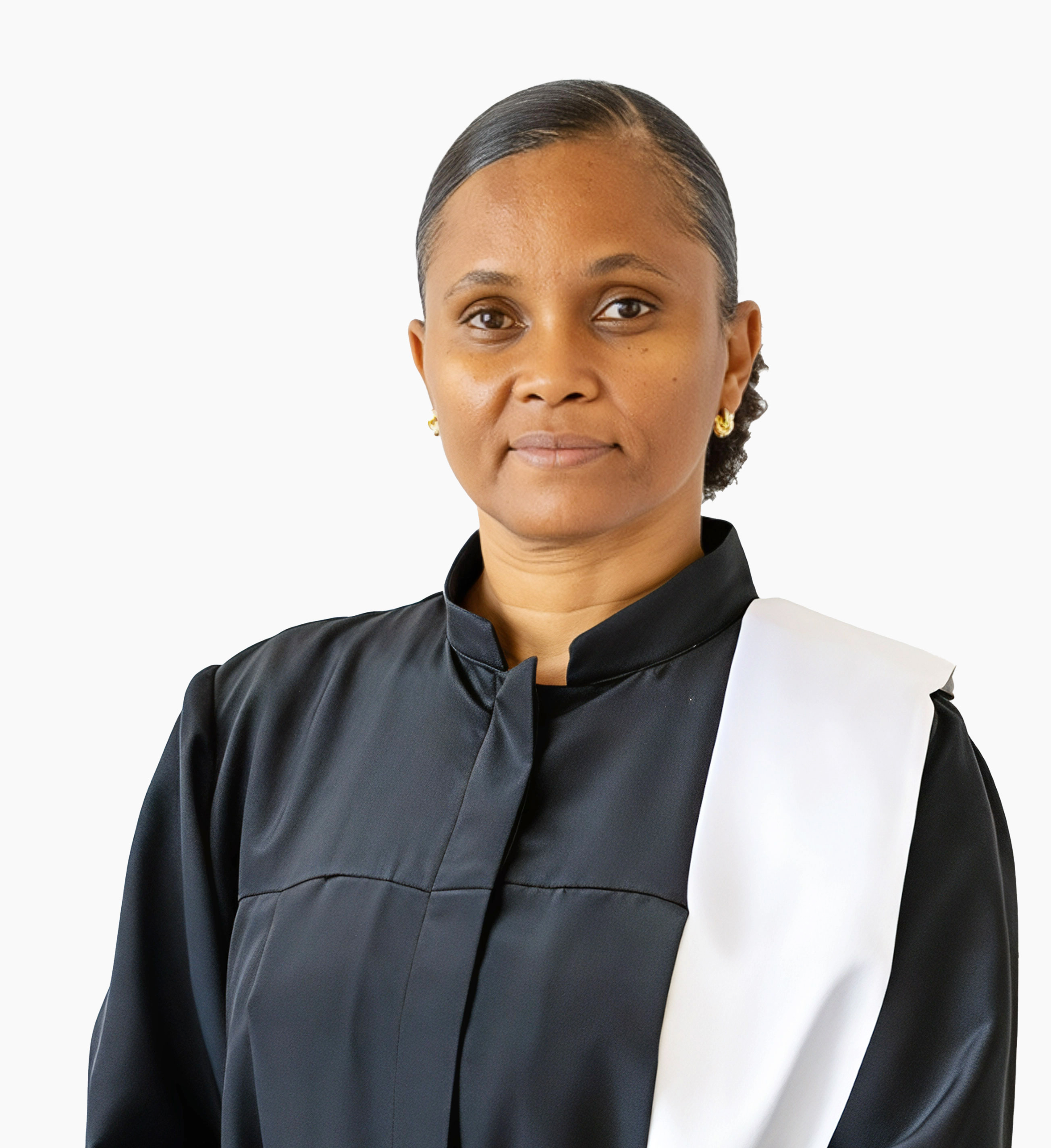
O Reitor é coadjuvado no exercício das suas funções por: Vice-reitores, em número máximo de 2 (dois), por si livremente nomeados e exonerados, de entre professores doutorados da Uni-CV; e Pró-reitores, em número máximo de 4 (quatro), por si livremente nomeados e exonerados, de entre professores doutorados da Uni-CV, para o desenvolvimento de atribuições específicas.

ELGA CARVALHO
Vice-Reitora para a Área Académica
Doutora em Enfermagem pela Universidade Federal do Rio Grande (Brasil)
- This email address is being protected from spambots. You need JavaScript enabled to view it.
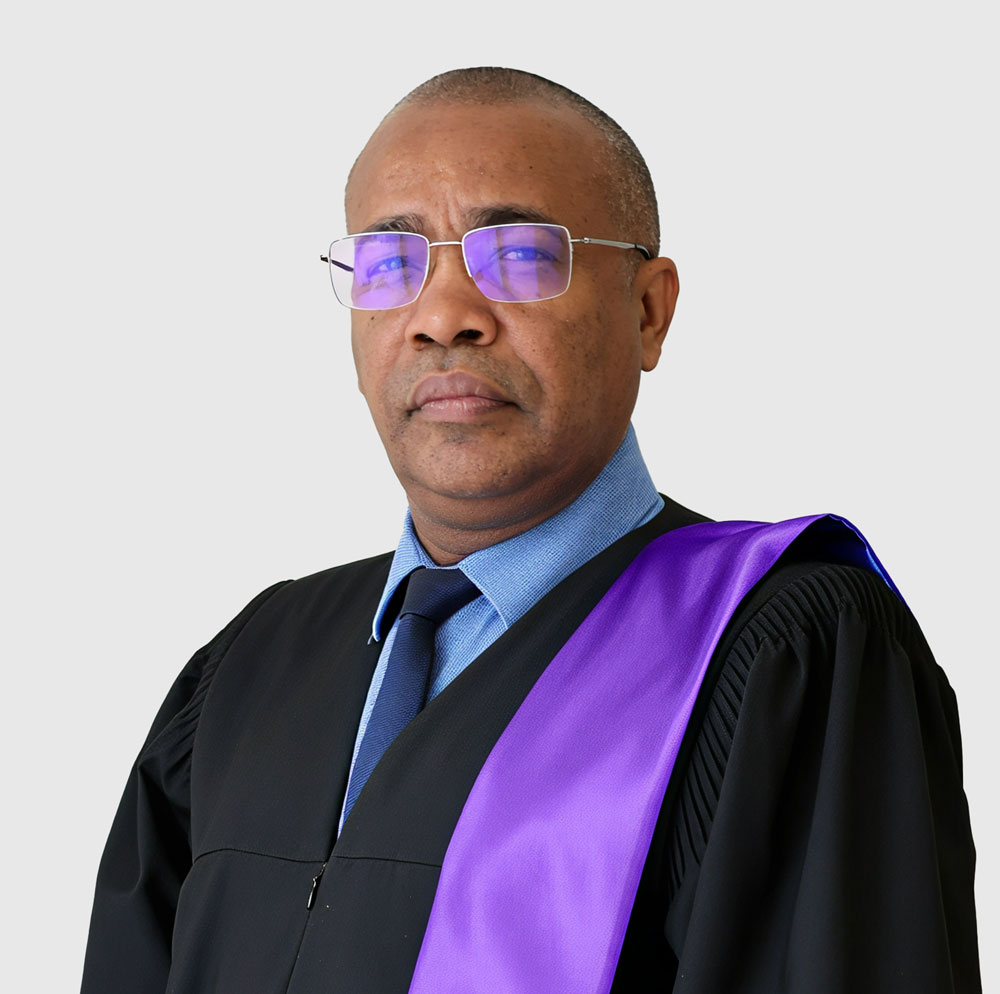
JOÃO MEDINA
Vice-Reitor para o Planeamento Estratégico, Avaliação e Transformação Institucional
Doutor em Comunicação pela Universidade Federal do Rio de Janeiro (Brasil)
- This email address is being protected from spambots. You need JavaScript enabled to view it.

ANTÓNIO DE JESUS
Pró-Reitor para a Cooperação Internacional e Parcerias Estratégicas
Doutor em Ciências Políticas e Sociais pela Universidade Católica de Louvain-la-Neuve (Bélgica)
- This email address is being protected from spambots. You need JavaScript enabled to view it.

ADILSON SEMEDO
Pró-Reitor para a Investigação, Inovação e Extensão
Doutor em em sociologia pela Universidade do Porto (Portugal)
- This email address is being protected from spambots. You need JavaScript enabled to view it.
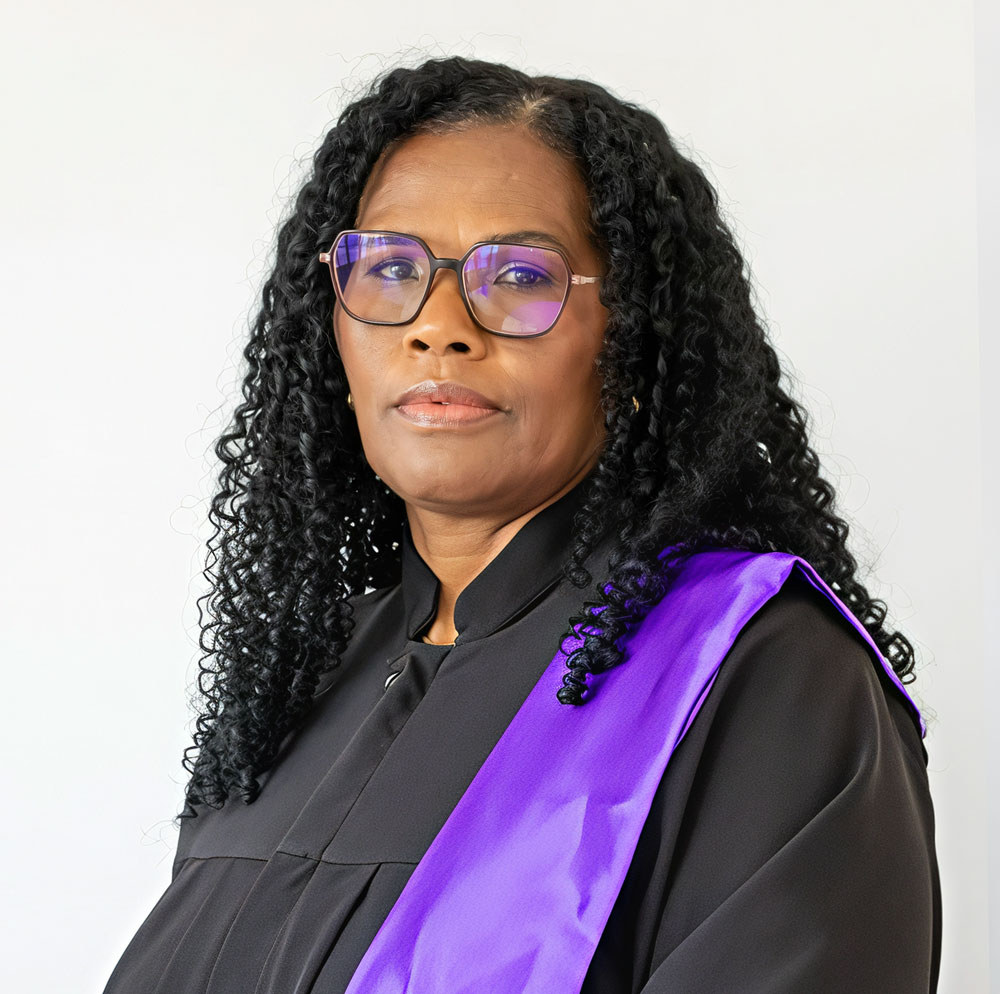
ELVIRA CORREIA
Pró-reitora para os Estudantes, Cultura Académica e Vida Universitária
Doutora em Educação e Desenvolvimento Humano pela Universidade de Santiago de Compostela (Espanha)
- This email address is being protected from spambots. You need JavaScript enabled to view it.
O Reitor é ainda coadjuvado, em matérias de ordem predominantemente administrativa, económica, financeira e patrimonial, pelo Administrador Geral da Universidade.
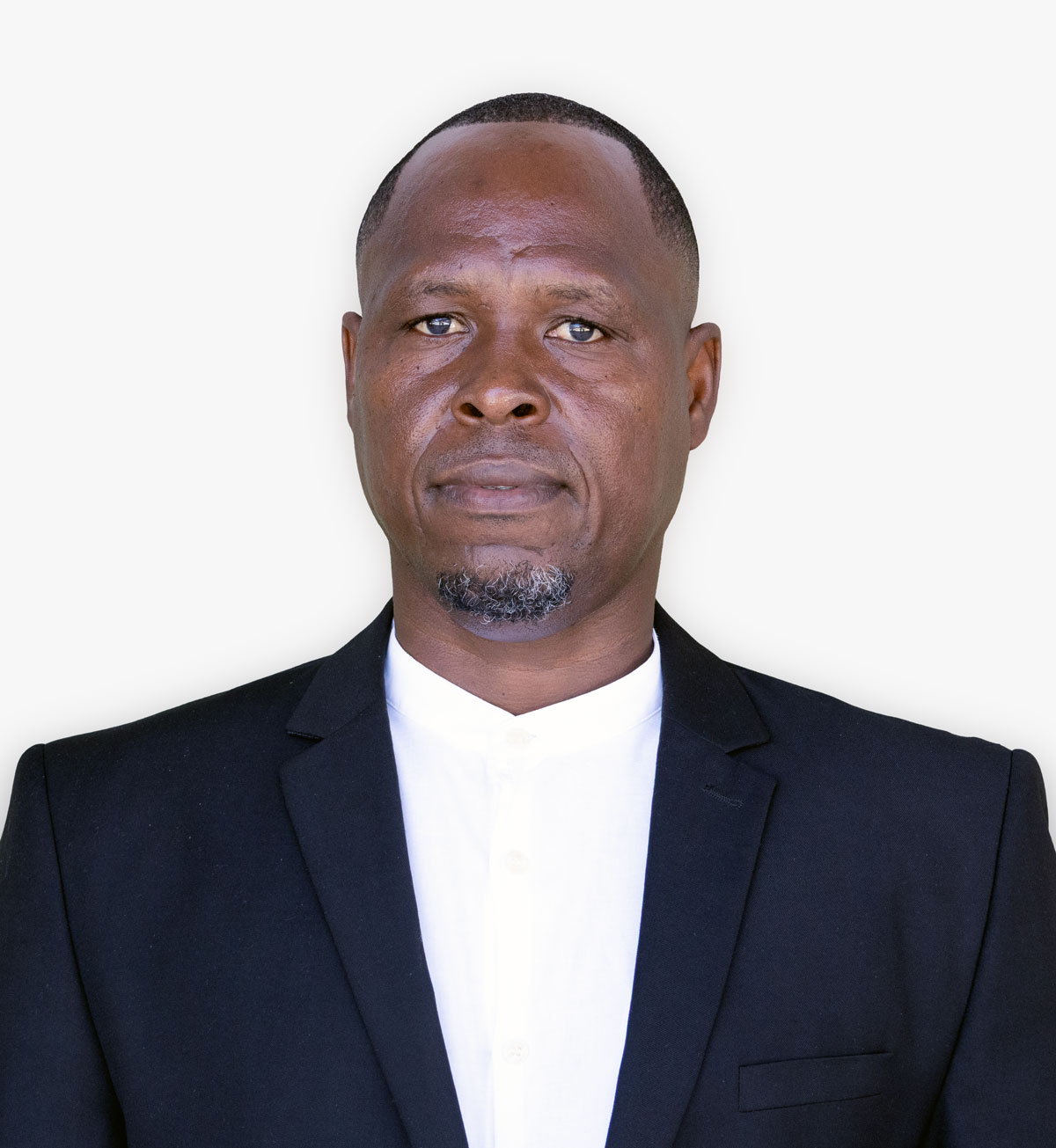
JOSÉ CORREIA
ADMINISTRADOR GERAL
Pós-graduado em Contabilidade e Finanças e em Finanças Públicas
- This email address is being protected from spambots. You need JavaScript enabled to view it.
Apresentação
The Council for Quality and Evaluation is the body responsible for establishing the mechanisms for self-evaluation of the performance of the University, its organic units and its scientific and pedagogical activities.
1. It is incumbent upon the Council for Quality and Evaluation to promote the quality of the University's performance in the areas of teaching and research, as well as in the provision of services, by defining performance indicators and their respective control through specially recommended methods, techniques and procedures.
2. For the purposes of the provisions in the previous number, the Council for Quality and Evaluation is responsible for
- Approve, develop, and make available quality promotion instruments;
- Ensuring the application of quality standards in all sectors of the University's activity;
- To organize, guide and coordinate the performance of audits and self-evaluation programs of the University's operation and, in particular, of the courses;
- To promote a process of periodic monitoring and/or evaluation of the quality control procedures;
- Define and implement mechanisms and procedures that allow the evaluation of the courses' external effectiveness;
- To define and implement mechanisms and procedures that allow certifications of the performance quality of the University's organic units and services as well as of the academic products; and
- Approving the respective Regulations and submitting them to the University Council for ratification.
3. Without prejudice to the provisions of paragraph 6 of the previous article, the Ethics Committee of the Council for Quality and Evaluation is responsible for assessing and evaluating compliance with ethical standards and professional deontology within the university community, on its own initiative or through complaints, reports, and claims, issuing the relevant decisions and recommendations, or, if applicable, referring the respective cases to the competent authority for decision, under the terms of the law and regulations.
4. The Ethics Committee's decisions on matters within its competence may be appealed to the Council for Quality and Evaluation.
5. In the fulfillment of its attributions, the Council for Quality and Evaluation articulates with the other organs and structures of the University and relies on the University's specialized services; whenever necessary, it may resort to external entities of recognized prestige to carry out audits, evaluations and/or other forms of internal quality control.
6. The Council for Quality and Evaluation articulates with the structures and entities of higher education evaluation instituted by the State, collaborating with them in the exercise of their competences and attributions, under the terms of the law.